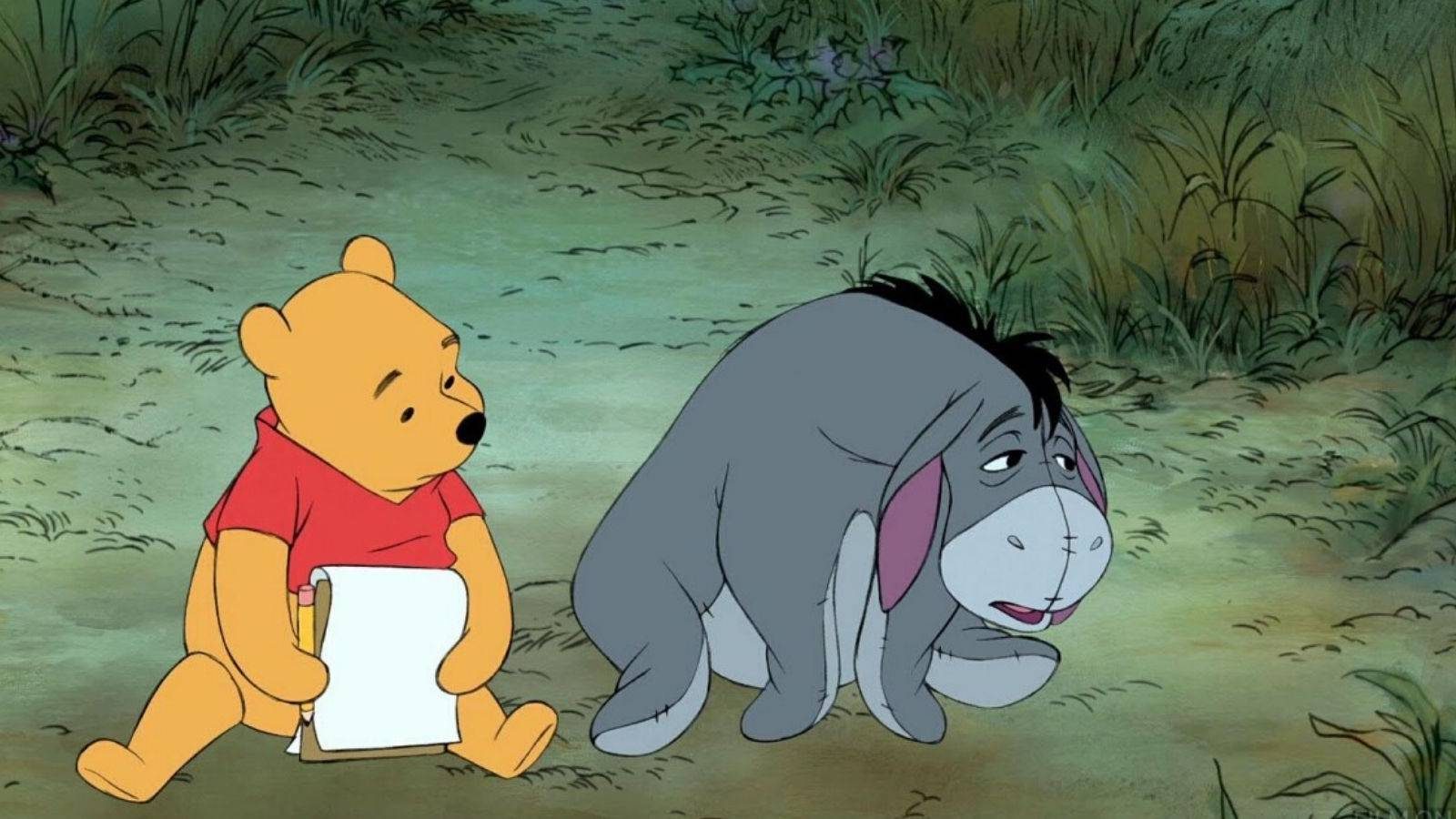
Eeyore Store Cameos: How the Sad Donkey Stole the Spotlight
When shoppers stroll through a quirky boutique, they expect bright colors and playful mascots. Yet, in the latest retail buzz, it’s the melancholy donkey that’s turning heads and lifting sales. The story of Eeyoor Store’s cameo appearances proves that even a sad character canabilece a bold statement, stealing the spotlight from more conventional marketing heroes.
The Unexpected Rise of Eeyore in Retail
Originally born in A.A. Milne’s Hundred Acre Wood, Eeyore is famous for his gloomy outlook and dry wit. When the Eeyore Store decided to feature him in a series of limited‑edition products, few anticipated the avalanche of attention that would follow. The campaign started with a simple plush that wore a tiny “Sale” tag, but it quickly expanded into apparel, রাজধান home décor, and digital avatars. Customers were drawn to the juxtaposition of a “sad” mascot paired with upbeat deals, creating a memorable contrast that lingered in their minds.
What made the strategy work was authenticity. The store didn’t try to mask Eeyore’s personality; instead, it celebrated it. By embracing his iconic melancholy, the brand forged an emotional connection that felt genuine, not forced. Shoppers left feeling understood—something rare in a world saturated with overly optimistic advertising.
Cameos that Captured Hearts: How the Sad Donkey Became a Brand Icon
Every cameo—whether a small sticker on a coffee cup or a full‑sized window display—was designed to tell a story. One standout moment featured Eeyore perched on a ladder, looking down at a “Clearance” sign with a caption reading, “Even I’m surprised it’s this low.” The humor resonated, prompting countless shares on social media platforms. Within weeks, the hashtag #EeyoreSpotlight trended, drawing traffic far beyond the store’s usual audience.
These cameo moments also encouraged user‑generated content. Fans started posting photos of themselves alongside the donkey plush, often mimicking his droopy expression. The ripple effect turned a simple mascot into a cultural demain, turning ordinary shoppers into brand ambassadors without the need for paid influencers.
Behind the Scenes: The Creative Process at Eeyore Store
The creative team at the store approached the campaign with a blend of nostalgiaMR and modern marketing analytics. They began by mapping out key emotional triggers—such as empathy, humor, and surprise—and matched them with Eeyore’s character traits. Sketches were then refined into physical prototypes, each tested in small pop‑up locations before a full rollout.
Data played a pivotal role. Heat‑maps showed that customers spent more time near the donkey displays, and sales metrics confirmed a 27% uplift in items featuring his image. This feedback loop allowed the team to tweak details quickly—like swapping a grey scarf for a bright orange one—to keep the experience fresh and engaging.
What This Means for Brands and Consumers
The success of the Eeyore Store cameo campaign offers a clear lesson: authenticity beats perfection. Consumers today crave relatability, and a character that acknowledges imperfection can become a powerful bridge. Brands that lean into unexpected personalities may find new pathways to loyalty and virality.
For shoppers, the experience reinforces that shopping can be playful and meaningful simultaneously. The sad donkey reminds us that joy and melancholy can,” coexist, making each purchase feel like a small, shared secret. As the retail landscape continues to evolve, it’s likely we’ll see more “sad mascots” stepping into the light—proving that sometimes, the most unlikely heroes are the ones that truly shine.